> Research
Weak but Working: Bureaucratic Agency, State Capacity, and Public Goods in Urban India
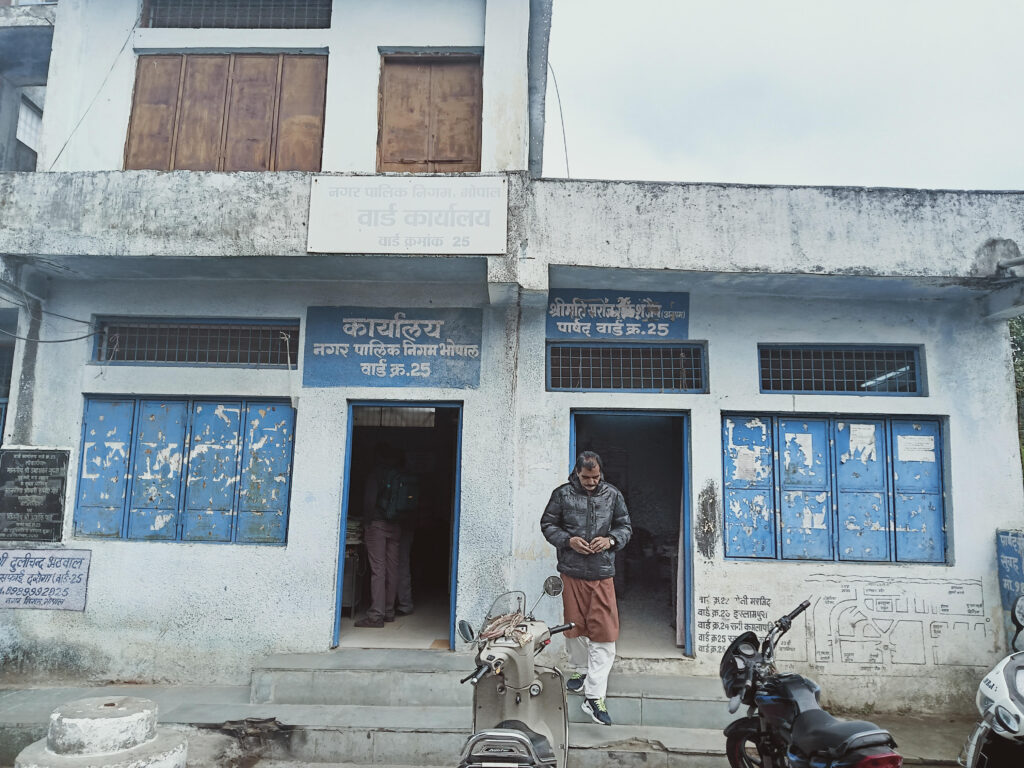
Why do regions with identical institutional designs produce dramatically different governance outcomes? This research examines how meso-level bureaucratic structures determine service delivery effectiveness in Indian cities despite shared formal frameworks.
My research examines a persistent puzzle in the political economy of development: why do jurisdictions with identical institutional designs produce radically different governance outcomes? Across the developing world, regions governed under the same national laws, bureaucratic structures, and resource envelopes nonetheless deliver dramatically uneven levels of public goods. In South Asia, some districts achieve near-universal immunization while neighboring districts with identical health systems reach barely half their population. In Latin America, certain municipalities maintain well-functioning infrastructure while others operating under the same federal program face rapid decline. This puzzle is not merely administrative. It speaks to an urgent democratic question: as global democratic backsliding accelerates, citizens’ faith in democracy increasingly hinges on whether the state can translate political authority into tangible material delivery.
These variations cannot be explained by formal rules, resource disparities, or partisan alignment alone. My book project investigates this paradox of divergence under isomorphic institutional conditions. In more precise terms, it asks: how does state capacity emerge unevenly across contexts that are formally the same? To answer this question, I open the “black box” of the state, tracing the inner organizational dynamics—especially at the meso-bureaucratic level—that convert institutional design into lived governance.
India provides an analytically powerful setting for this inquiry. Cities like Bhopal and Lucknow operate under the same constitutional rules, fiscal frameworks, and administrative hierarchies. Yet their residents experience sharply different levels of water supply, sewerage, waste management, and other essential services. My research uncovers the hidden forces that allow some ostensibly “weak” municipal governments to deliver surprisingly effective services while others chronically fail.
At the center of my argument is the concept of conditional autonomy: the negotiated space within which mid-tier bureaucrats exercise professional discretion to adapt, coordinate, and implement public programs. These officials bridge the gap between abstract policy mandates and street-level delivery, shaping outcomes in ways that formal blueprints cannot predict. Matched comparisons between Bhopal and Lucknow show that governance efficacy depends less on resources or statutory design and more on how bureaucratic teams interpret their autonomy, manage political interference, and maintain internal coordination.
Methodologically, the project employs a multi-method strategy: a large-scale household survey of urban service access, ethnographic observation inside municipal offices, elite interviews across administrative tiers, and systematic process tracing of key service-delivery chains. This approach isolates the mechanisms that create “pockets of effectiveness” within patronage-heavy systems. The evidence reveals a striking pattern: networked public goods (water, sewerage, electricity) diverge sharply across cities, while targetable services show far less variation—precisely as the theoretical framework predicts.
Ultimately, this research reconceptualizes state capacity not as a fixed institutional attribute but as an emergent, relational, and uneven property shaped by bureaucratic discretion and organizational coalitions. It challenges dominant explanations of governance failure and offers a more granular account of how incremental reform can succeed even in historically resource-constrained environments—while highlighting how effective material delivery remains central to sustaining democratic legitimacy in the twenty-first century.
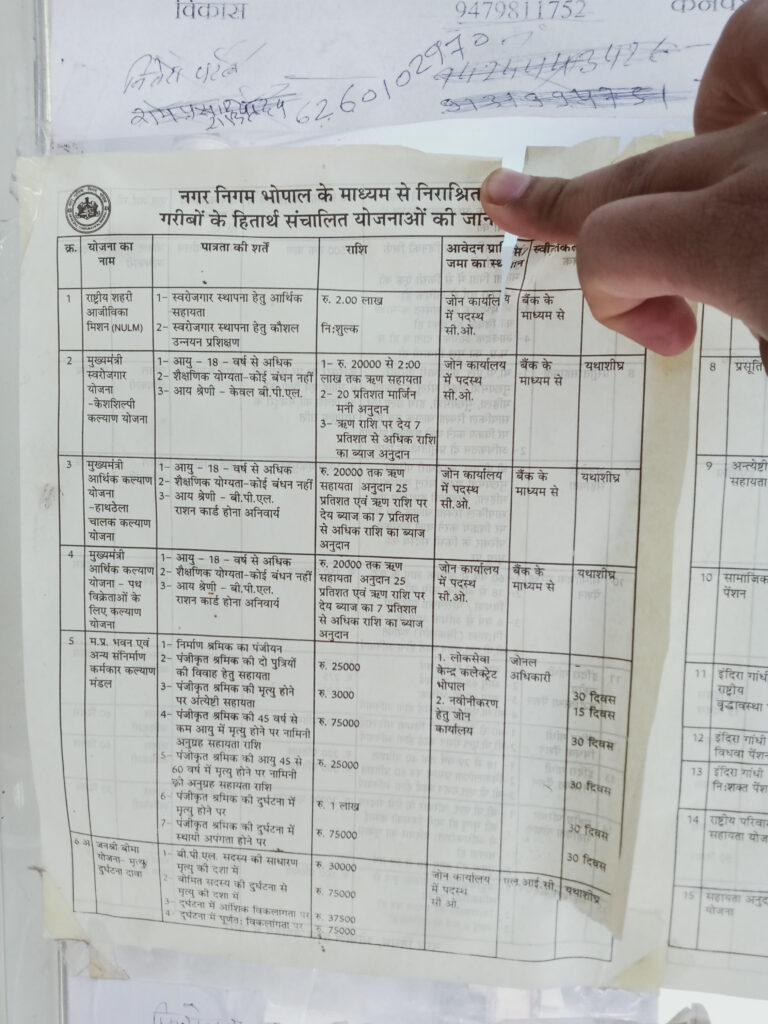
आखिर समान संस्थागत बनावट ( 'इंस्टिट्यूशनल डिज़ाइन्स') होने के बावजूद, जगहों पर गवर्नेंस के नतीजों में इतना भारी अंतर क्यों आता है? यह शोध इस बात की पड़ताल करता है कि भारतीय शहरों में एक जैसे औपचारिक ढांचे होने के बाद भी, मध्यम स्तर की नौकरशाही संरचनाएं (meso level bureaucracy) ही यह तय करती हैं कि सेवाएं कितनी प्रभावी ढंग से मिलेंगी।
दुनिया के कई विकासशील देशों में हम एक अजीब बात देखते हैं। कानून, नियम और संसाधन तो सबके एक जैसे होते हैं, लेकिन लोगों को मिलने वाली जनसुविधाओं में बहुत बड़ा अंतर दिखता है। एक जगह बिजली, पानी और स्कूल अच्छी तरह चलते हैं, और पास ही के दूसरे इलाके में यही सेवाएँ लगातार खराब रहती हैं। दक्षिण एशिया हो या लैटिन अमेरिका—यह फर्क हर जगह दिखता है। मेरा शोध इस सवाल को समझने की कोशिश करता है: जब नियम और ढाँचे एक जैसे हैं, तो नतीजे इतने अलग क्यों होते हैं? असल फर्क कहाँ पड़ता है?
इस प्रश्न का उत्तर खोजने के लिए, मैं राज्य के “ब्लैक बॉक्स” को खोलता हूँ—और उसके भीतर कार्यरत उन संगठनात्मक प्रक्रियाओं और संबंधों पर प्रकाश डालता हूँ, विशेषकर मध्यम-स्तर के नौकरशाहों पर, जो औपचारिक नियमों और नागरिकों द्वारा अनुभव की जाने वाली सेवाओं के बीच निर्णायक कड़ी का काम करते हैं।भारत इस विश्लेषण के लिए अत्यंत उपयुक्त संदर्भ प्रदान करता है। उदाहरण के लिए, भोपाल और लखनऊ जैसे शहर समान संवैधानिक ढाँचों, समान वित्तीय संसाधनों और समकक्ष प्रशासनिक संरचनाओं के साथ संचालित होते हैं—फिर भी जलापूर्ति, सीवर व्यवस्था, कूड़ा प्रबंधन और अन्य नगर सेवाओं के स्तर में स्पष्ट अंतर दिखाई देता है। यह अध्ययन उन कारकों को उजागर करता है जिनकी वजह से कुछ “कमज़ोर” माने जाने वाले नगर निकाय भी आश्चर्यजनक रूप से प्रभावी सेवाएँ प्रदान कर पाते हैं, जबकि अन्य स्थानों पर लगातार विफलताएँ देखी जाती हैं।
इस शोध के केंद्र में “सशर्त स्वायत्तता” (conditional autonomy) की अवधारणा है—यानी वह negotiated space जिसमें मध्यम-स्तर के अधिकारी अपने पेशेवर विवेक, प्रशासनिक समन्वय, और राजनीतिक दखल से निपटने की क्षमता का प्रयोग करते हुए अमूर्त नीति-निर्देशों को ठोस सार्वजनिक सेवाओं में परिवर्तित करते हैं। Matched comparison के माध्यम से, विशेषकर भोपाल और लखनऊ की तुलना में, यह स्पष्ट होता है कि शासन की सफलता न केवल संसाधनों, न औपचारिक नियमों, और न ही राजनीतिक दलों की संरेखण (partisan alignment) पर निर्भर करती है। बल्कि, निर्णायक तत्व है—इन अधिकारियों को उपलब्ध पेशेवर स्वायत्तता, उनका आंतरिक समन्वय, और जटिल शहरी समस्याओं को हल करने की उनकी संगठित क्षमता। मेरी अनुसंधान-पद्धति विविध तरीकों को जोड़ती है: (1) बड़े पैमाने के सर्वेक्षण, (2) विभिन्न प्रशासनिक स्तरों पर कार्यरत अधिकारियों और कर्मचारियों के साथ गहन साक्षात्कार, और (3) सेवा-प्रदाय की प्रक्रियाओं का systematic process tracing।
इन तरीकों का संयोजन यह पहचानने में मदद करता है कि pockets of effectiveness—यानी “सफलता के द्वीप”—किस तरह उभरते हैं, भले ही व्यापक संरचना पैरवी और सिफ़ारिश की राजनीति से प्रभावित क्यों न हो। शोध के निष्कर्ष बताते हैं कि networked public goods—जैसे पानी, सीवर, बिजली—में शहरों के बीच तीव्र अंतर दिखाई देता है; जबकि targetable schemes (व्यक्तिगत लाभ वाली योजनाएँ) तुलनात्मक रूप से अधिक समान रहती हैं। यह प्रवृत्ति मेरे सैद्धांतिक ढाँचे के उस तर्क को पुष्ट करती है कि बहु-विभागीय समन्वय की आवश्यकता वाली सेवाओं पर मध्यम-स्तरीय स्वायत्तता सबसे निर्णायक प्रभाव डालती है।
अंततः, यह शोध इस स्थापित धारणा को चुनौती देता है कि state capacity एक स्थिर, समान रूप से वितरित या केवल संस्थागत डिज़ाइन द्वारा निर्धारित गुण है। इसके बजाय, यह दिखाता है कि राज्य की क्षमता उभरने वाली (emergent), संबंध-आधारित और असमान विशेषता है—जो नौकरशाही के अंदरूनी तालमेल, राजनीतिक-संगठनात्मक संबंधों, और स्थानीय प्रशासनिक संस्कृति के परस्पर संपर्क से बनती है। यह दृष्टिकोण न केवल प्रचलित सिद्धांतों को पुनर्गठित करता है, बल्कि उन देशों के लिए महत्वपूर्ण अंतर्दृष्टि प्रदान करता है जो ऐतिहासिक रूप से संसाधन-संकट वाले वातावरण में भी क्रमिक, यथार्थवादी सुधारों की राह तलाश रहे हैं।